

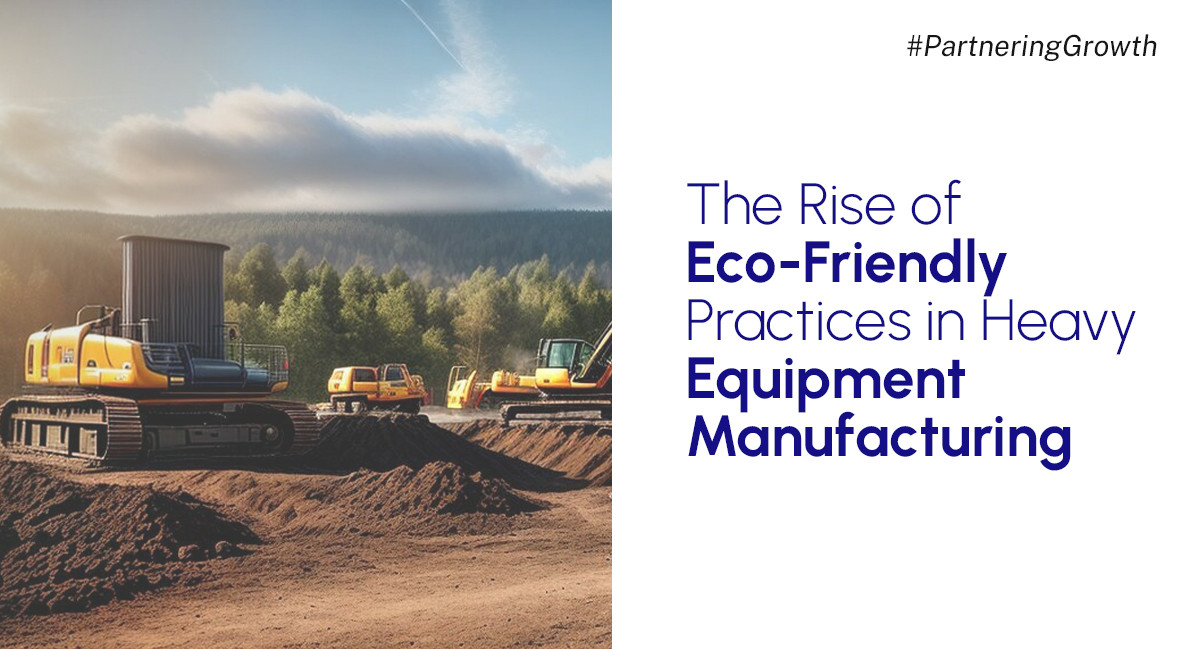
As India accelerates its infrastructure development and manufacturing goals, sustainability has become an imperative in heavy equipment manufacturing. The sector is embracing eco-friendly technologies and practices not only to comply with environmental regulations but also to enhance operational efficiency and global competitiveness. In 2025, this green evolution is gathering momentum, driven by policy support, innovation, and industry commitment.
Industry Embraces Green Technologies
Leading players in India’s construction equipment sector are pioneering the shift towards greener machinery. These machines offer significant reductions in carbon emissions and fuel consumption, aligning with India’s climate goals. Aside from new eco-friendly models, manufacturers are upgrading existing diesel engines with advanced exhaust treatment technologies to cut down particulate matter and nitrogen oxide emissions, enhancing environmental performance without compromising power.
Sustainable Manufacturing and Waste Reduction
Eco-conscious manufacturing is becoming standard practice. Many factories are integrating renewable energy sources such as solar and wind to reduce carbon footprints. Adoption of lean manufacturing techniques has minimised waste and optimised resource use, while energy management systems provide real-time data to improve efficiency.
Manufacturers also emphasise recycling scrap metal, plastics, and electronic components from used machinery, promoting circular economy principles. Water recycling and waste segregation initiatives further enhance resource conservation across production units.
Policy and Industry Collaboration
Union Minister Nitin Gadkari underscored sustainability at ICEMA’s Annual Session 2025, highlighting a 3% industry growth with a 10% jump in exports attributed to green and digital transformation. The government is rolling out incentives to encourage domestic manufacturing of electric and hydrogen-powered equipment, aiming to reduce import dependence and boost exports.
ICEMA is actively working on proposals for dedicated incentives to accelerate indigenous manufacturing and the adoption of clean technologies. Skill development programs focus on training operators for efficient and safe use of new equipment, enhancing productivity and safety.
Challenges and Future Outlook
Challenges include scaling charging and hydrogen refuelling infrastructure, high initial costs for green machinery, and aligning domestic standards with global benchmarks. However, continued innovation, policy support, and increasing export demand are expected to drive wider adoption.
As per ICEMA and industry white papers, green construction equipment carries a 20–30% higher upfront cost than diesel machinery, but TCO over 5–7 years is 15–25% lower due to lower fuel/energy costs (electricity ₹8–10/kWh vs diesel ₹95–110/litre) and reduced maintenance. As per recent GST schedules and Income Tax Act provisions, accelerated depreciation and lower GST rates for electric machinery (5–12% vs 18–28%) further improve the economics.
The shift to eco-friendly heavy equipment not only supports India’s commitment to reduce greenhouse gases but also positions the sector for long-term competitiveness in a global market increasingly demanding sustainable solutions.
The rise of eco-friendly practices in heavy equipment manufacturing signifies a critical transition toward sustainable industrialisation in India. Through cleaner technologies, green manufacturing processes, and supportive policies, the sector is poised to drive India’s infrastructure ambitions while meeting both economic and environmental goals.
 Uploaded On:
  Author: